Chemicals in your home are far more prevalent than most homeowners realize. The concern isn’t the presence of chemicals, which is unavoidable in any built environment, but the concentration and type that accumulate in indoor air and on surfaces where people spend the majority of their time. Indoor air quality studies consistently find that the air inside most homes contains higher concentrations of certain pollutants than the outdoor air in the same location. Understanding which chemicals present the most meaningful exposure risk and how to reduce that exposure is the practical knowledge that makes indoor air quality an actionable concern rather than an abstract one.
The Chemicals in Your Home Most People Don’t Notice
Volatile organic compounds (VOCs) are the chemicals most consistently associated with indoor air quality concerns because they off-gas from an enormous range of common products: paint, adhesives, new flooring, furniture, cabinetry, cleaning products, air fresheners, and personal care products. Many VOCs are detectable by smell, the characteristic odor of fresh paint or new carpet, but many are entirely odorless, which means the absence of a smell is not evidence of the absence of exposure. The most effective strategy for reducing VOC-related chemicals in your home starts at the point of purchase: choosing low-VOC or zero-VOC paints and finishes, selecting furniture and flooring made with formaldehyde-free adhesives, and replacing conventional cleaning products with fragrance-free alternatives removes the sources rather than managing exposure after the fact. When new materials do enter the home, ventilating aggressively during and after installation for the first several weeks of off-gassing reduces the peak concentration that occupants experience during the period of highest emission.
Stored Chemicals in Your Home
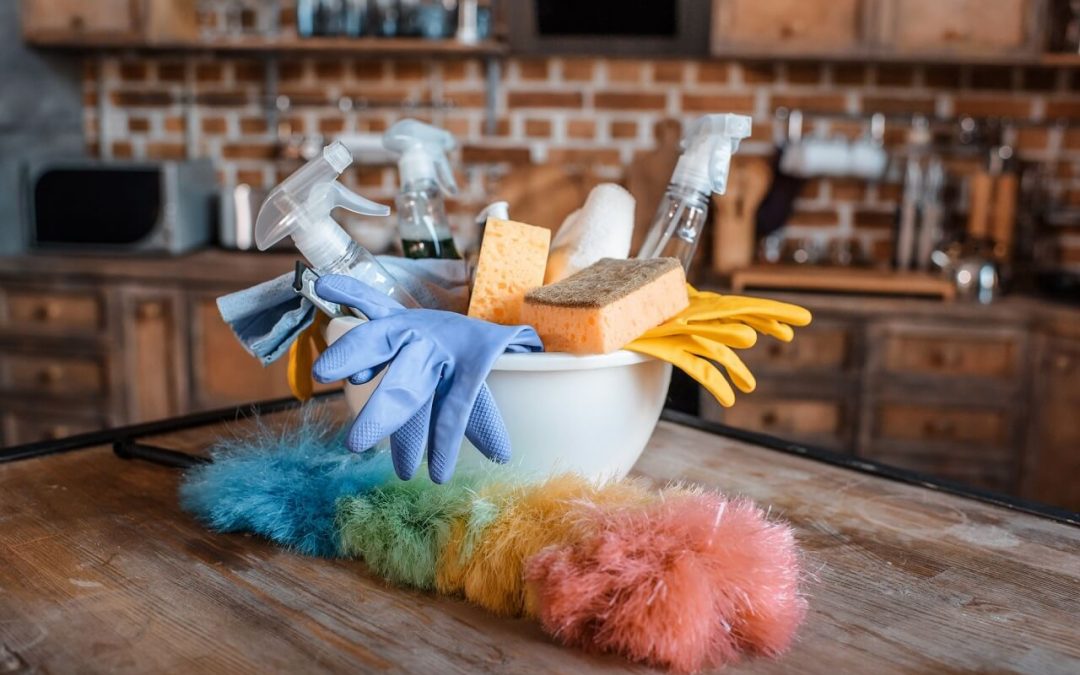
The cleaning products and pesticides stored in a typical home represent the category of chemicals in your home with the most direct exposure risk, because these products are applied directly to surfaces where people and pets make regular contact. Mixing cleaning products is the practice that creates hazardous conditions, bleach combined with ammonia produces chloramine gas, and bleach combined with acidic cleaners produces chlorine gas, both of which can cause serious respiratory effects in enclosed spaces. The storage practice that directly reduces this risk is keeping cleaning products in their original containers with labels intact, never mixing products regardless of how similar their purposes seem, and storing them in a dedicated space with adequate ventilation away from heat sources and out of reach of children.
Building Materials and Finishes
Older homes present a concern that newer construction doesn’t, because the materials used before certain regulatory changes contain compounds now understood to be health hazards. Lead paint was used in homes built before 1978 and remains in place in millions of homes, typically presenting low risk when in good condition but significant risk when deteriorating, being disturbed during renovation, or when children are in contact with surfaces where lead dust has accumulated. Asbestos was used extensively in residential construction before the 1980s in insulation, floor tiles, and certain siding products. Like lead paint, asbestos in good condition presents low risk; it becomes a health concern when deteriorating or when renovation disturbs it and releases fibers into the air. Homeowners in older properties planning renovation should have suspect materials tested before disturbing them, as DIY removal of lead paint or asbestos-containing materials creates the exposure risk that professional abatement is designed to prevent.
Frequently Asked Questions (FAQs)
How do I know if there are dangerous chemicals in my home?
The most reliable way to assess specific chemical concerns is through professional testing. Many chemicals in your home that present meaningful health risk are odorless and invisible, which means sensory detection isn’t a reliable indicator.
Are the chemicals in cleaning products dangerous in a well-ventilated space?
Most conventional cleaning products are safe when used as directed in adequately ventilated spaces. The risk increases in enclosed spaces without airflow, when products are combined, or when exposure is chronic rather than occasional. The chemicals in cleaning products that present the most consistent concern are those with strong fragrances and those containing bleach, ammonia, or quaternary ammonium compounds, which can irritate the respiratory system with repeated exposure.
Do new homes have fewer chemical concerns than older ones?
New homes don’t have lead paint and asbestos concerns, but they have their own chemicals in your home profile: new construction uses adhesives, sealants, paints, and flooring that off-gas VOCs at higher rates when new. The first year of occupancy is typically the period of highest VOC exposure from building materials. Aggressive ventilation during and after construction and throughout the first year reduces the peak exposure that new construction’s off-gassing produces.
Are fragrance products a significant source of chemicals in your home?
Yes, air fresheners, scented candles, and heavily scented cleaning and personal care products are among the most consistent VOC sources in residential environments because they’re designed to release compounds into the air continuously. Replacing fragranced products with fragrance-free alternatives is one of the most accessible ways to reduce the VOC load from chemicals in your home.
What should I do before a renovation in an older home?
Have suspect materials tested before any work begins, particularly in homes built before 1978 for lead paint and before 1980 for asbestos. DIY renovation that disturbs these materials releases the most concentrated exposure to chemicals in your home that most occupants will ever experience. Professional abatement contractors are equipped to remove or encapsulate these materials safely and in compliance with regulatory requirements. Knowing what’s in the materials before work starts is the step that most directly prevents accidental exposure.
Certinspectors offers professional indoor air quality testing in the Hudson Valley area of New York. Contact us to schedule an appointment for our services.