Summer cooling bills are one of the most significant and most controllable household expenses for homeowners. Knowing how to reduce cooling costs requires understanding where heat enters the home, where conditioned air escapes, and how to manage both with a combination of behavioral changes, low-cost improvements, and strategic use of the cooling system you already have.
The Smart Homeowner’s Approach to Reduce Cooling Costs
Air conditioning is expensive to run because it works against the environment, pumping heat out while the home simultaneously absorbs it from outside. Every improvement that slows heat entry, reduces the work your AC needs to do, and improves how efficiently the system operates is a direct reduction in your cooling bill. The highest-return strategies for reducing cooling costs address root causes of heat gain rather than simply running the air conditioner harder. Air sealing, insulation, shading, and smart thermostat management address the conditions that determine how hard your AC has to work, and the results compound over every cooling season for years.
Reduce Cooling Costs at the Source
Conditioned air that leaks out and hot air that seeps in are the primary drivers of unnecessary cooling costs. A home with significant air leakage forces the AC to run longer because it’s constantly fighting air exchange with the outdoors, which in summer means hot, humid outside air replacing the cool air you’ve paid to produce. Common leakage points include gaps around electrical outlets on exterior walls, penetrations where pipes and wires pass through walls and ceilings, the attic hatch opening, and around window and door frames. Air sealing with caulk, weatherstripping, or expanding foam at these points produces measurable reductions in cooling load. Attic insulation is the single most impactful improvement for reducing cooling costs in most homes. Heat radiates down through a poorly insulated attic ceiling into the living space, forcing the AC to work continuously against a constant overhead heat source.
Shading and Ventilation Strategies
Sunlight entering through windows is one of the most significant sources of heat gain in residential buildings. South and west-facing windows receive the most direct afternoon sun. Unshaded windows allow solar energy to enter the living space directly, where the AC must then remove it. Window treatments that block direct sunlight reduce solar heat gain at low cost. Exterior shading is more effective than interior treatments because it prevents heat from entering the glass in the first place. Strategic landscaping that shades south and west-facing walls and windows provides the most effective long-term solution and adds property value simultaneously. Ceiling fans reduce cooling costs by making the home feel cooler to occupants. A wind chill effect allows you to raise the thermostat by several degrees without any reduction in perceived comfort.
HVAC Maintenance and Smart Settings to Reduce Cooling Costs
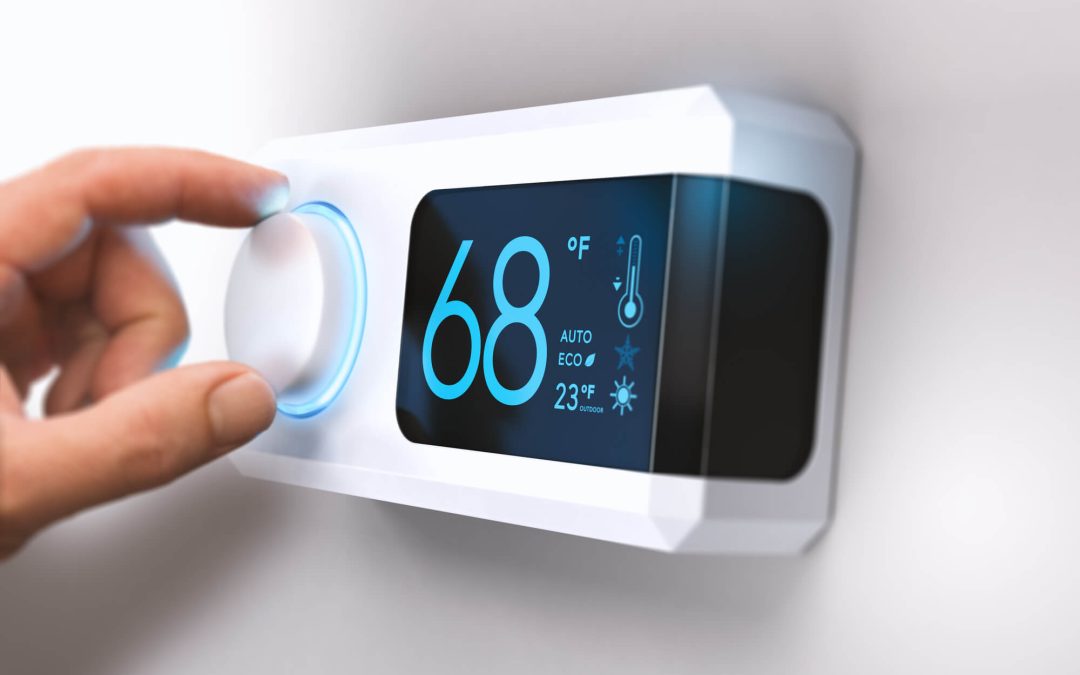
A well-maintained air conditioning system runs more efficiently than a neglected one. Replace the air filter monthly during peak cooling season. A clogged filter restricts airflow and forces the system to work harder for the same output. Have the system professionally serviced annually, including coil cleaning and refrigerant level check. A programmable or smart thermostat pays for itself quickly in cooling cost savings. Setting the thermostat to rise when the home is unoccupied and returning to a comfortable temperature before you arrive eliminates the cost of cooling an empty house. The Department of Energy estimates that setting the thermostat back 7 to 10°F for eight hours daily can reduce cooling costs by up to 10 percent annually.
Frequently Asked Questions (FAQs)
How much can I realistically reduce cooling costs with these changes?
Homes with poor air sealing and inadequate attic insulation can see cooling cost reductions of 20 to 30 percent from those improvements alone. Smart thermostat management adds another 10 percent in most households. Shading improvements and ceiling fan use contribute additional savings. A comprehensive approach to reducing cooling costs can cut summer energy bills by 30 to 40 percent for homes that haven’t previously been optimized.
What is the most cost-effective single change to reduce cooling costs?
A programmable or smart thermostat offers one of the fastest paybacks — typical costs are $30 to $250, and annual savings often exceed the device cost within the first cooling season. Attic insulation has a similarly fast payback in under-insulated homes. Air sealing is extremely low-cost in materials and nearly immediate in payback.
Does closing vents in unused rooms reduce cooling costs?
Generally, no, and it can increase costs. Forced-air HVAC systems are designed to operate with all vents open, and closing vents creates pressure imbalances that reduce efficiency and can cause duct leakage. A better approach is to keep interior doors open throughout the home to allow airflow to circulate freely, improving system efficiency and temperature distribution.
How does attic insulation help reduce cooling costs?
Heat builds up in attics during summer and radiates down through the ceiling into living spaces. The less insulation between the attic and living space, the more heat transfers into the home, increasing the load on the air conditioner. Adequate attic insulation slows this heat transfer dramatically, reducing how long and hard the AC runs.
At what temperature should I set my thermostat to reduce cooling costs?
The Department of Energy recommends 78°F when home and awake, with the thermostat set higher when away or sleeping. Each degree of setback saves approximately 3 percent on cooling costs, so the difference between 72°F and 78°F represents roughly 18 percent in savings. Ceiling fans can make 78°F feel like 74°F, allowing comfortable living at a significantly lower energy cost than lowering the thermostat would achieve.
Certinspectors offers professional home inspections in the Hudson Valley area of New York. Contact us to schedule an appointment for our services.